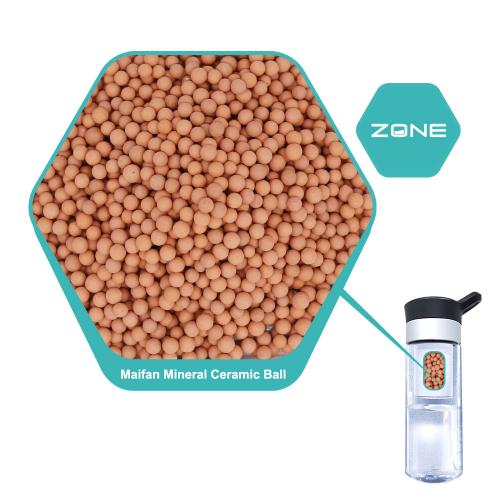

Why Your RO Water May Be Too Pure: The Case for Remineralization with Calcium Mineral Balls
Update time: 25-10-17 Views: 469
The Hidden Problem with Reverse osmosis Water
Reverse osmosis (RO) is one of the most effective water purification methods available. With a membrane pore size of just 0.0001 microns, it removes bacteria, viruses, heavy metals, and over 95% of dissolved solids. The result? Ultra-pure water with a TDS (Total Dissolved Solids) level often below 10 ppm.
But here’s the catch:
RO water is almost too clean.
In stripping away contaminants, it also removes essential minerals like calcium and magnesium—elements your body needs and your water should naturally contain.
Why Remineralization Matters
According to the World Health Organization (WHO), long-term consumption of low-mineral water (TDS < 50 ppm) may lead to:
- Mineral deficiencies, especially calcium and magnesium
- Increased risk of bone density loss and cardiovascular issues
- Poor taste – water feels “flat” or “bland”
- Negative impact on coffee, tea, and cooking flavor
That’s why remineralizing RO water is not just a luxury—it’s a health-conscious necessity.
Remineralization Options: What Works Best?
There are several ways to add minerals back into RO water. Here's a quick comparison:
Method
How It Works
Pros
Cons
Natural Stones (e.g., Maifan stone)
Leaches minerals naturally
Low cost
Uncontrolled release, heavy metal risk
Bypass Blending
Mixes raw water with RO water
Simple
Risk of microbial contamination
Liquid Mineralizers
Injects mineral solution
Accurate
Complex setup, high maintenance
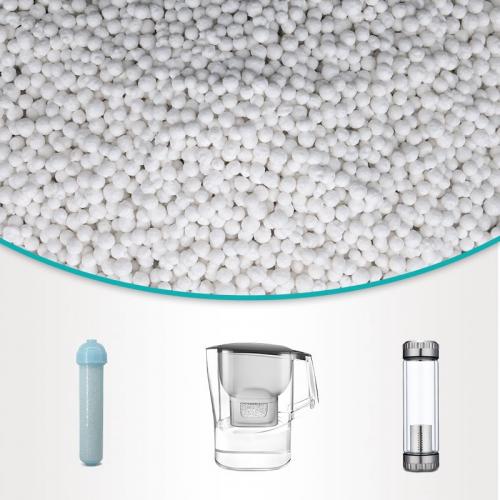
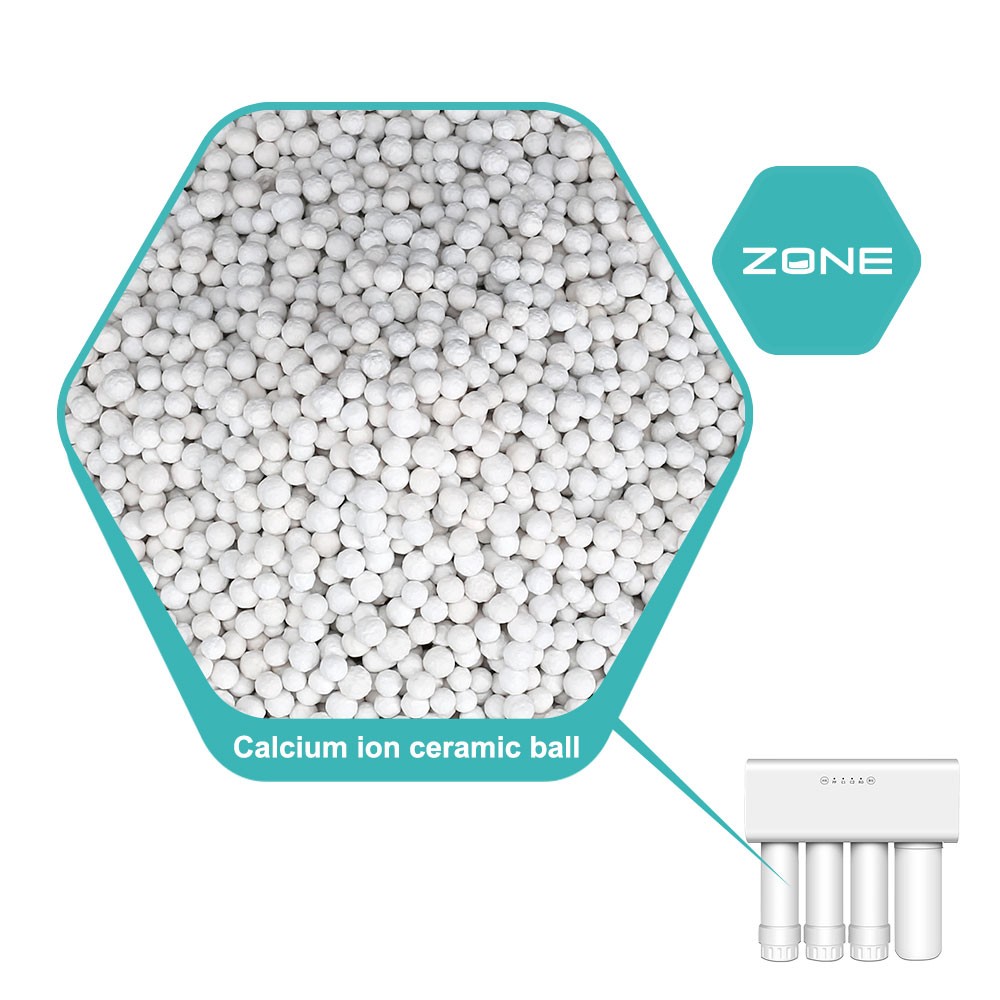
Calcium ceramic balls
Slow-release calcium ions
Safe, stable, maintenance-free
Requires quality formulation
Conclusion: For point-of-use (POU) systems, calcium ceramic balls offer the best balance of safety, performance, and ease of use.
Meet ZONE’s Controlled-Release Calcium Mineral Balls
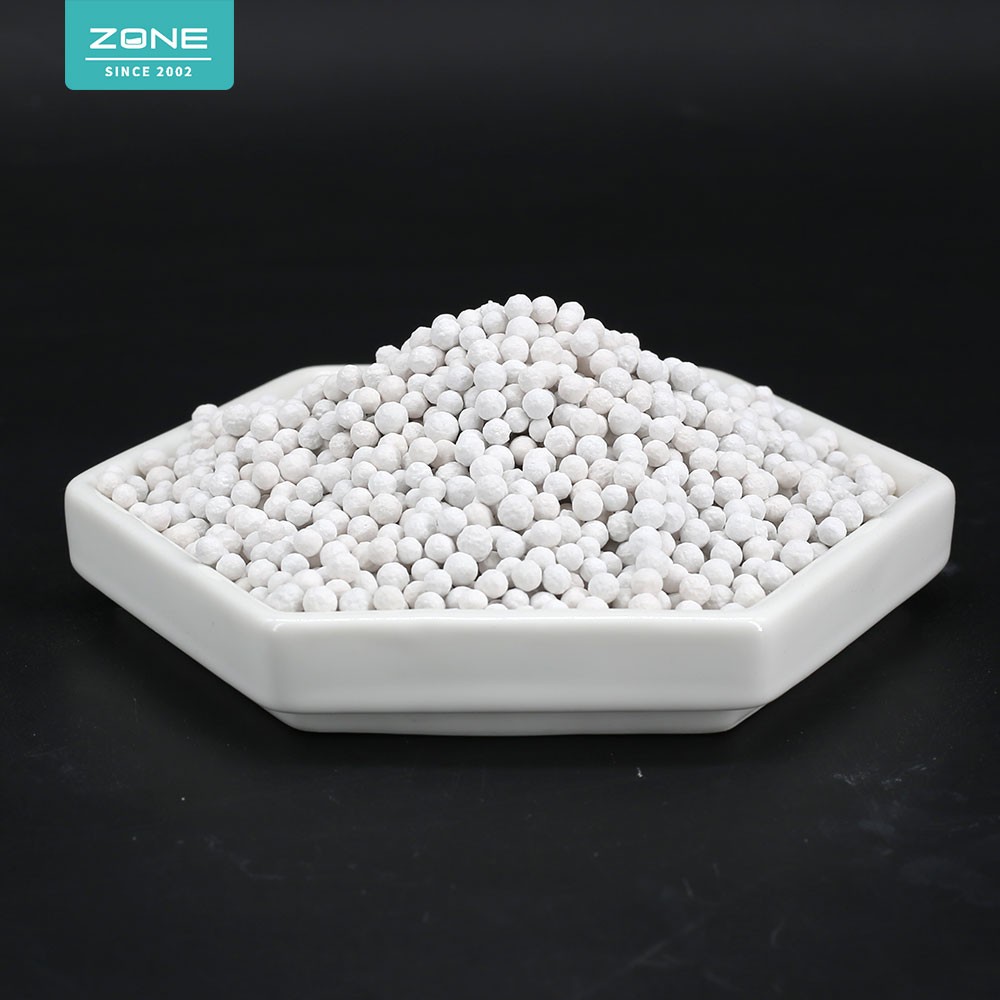
At ZONE, we’ve spent over 15 years developing high-performance water filter media. Our Calcium Mineral Balls are specifically designed to remineralize RO water with controlled calcium release.
✅ Key Features:
- Tailored Calcium Release: Adjustable from 0.5 to 15 ppm
- Long-Lasting: 6–12 months lifespan depending on usage
- Food-Grade Safe: Made from CaCO₃, tourmaline, and low-temperature binders
- Weak Alkaline Effect: Raises pH to 7.5–8.5, improving taste and health benefits
- Available Sizes: Ø2–15 mm, customizable for different applications
✅ Proven Performance:
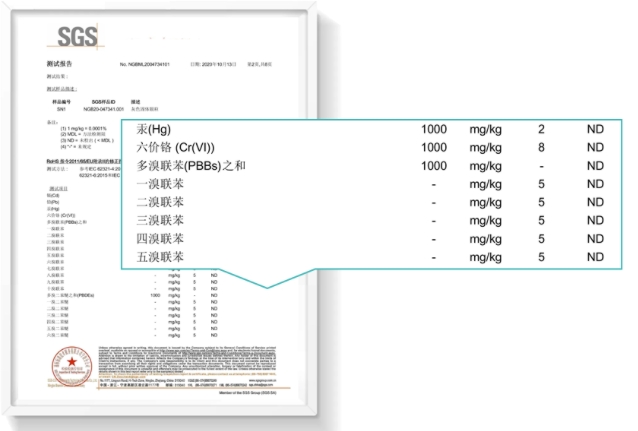
- SGS Tested: Heavy metal leaching well below WHO/GB standards
- Linear Release: Even after 1,000 liters, calcium release remains consistent
- Antibacterial Option: Tourmaline + Ag⁺ composite grade available
Real-World Applications
☕ Home RO Systems
Add 80g of calcium balls to the post-carbon filter.
Result: TDS rises from 5 ppm to 30–60 ppm, water tastes crisp and naturally sweet.
☕ Schools & Offices
Use 1 kg per 10L of permeate in central RO systems.
Result: Provides 6–8% of daily calcium intake per 2L of water, reducing complaints of digestive discomfort from low-mineral water.
☕ Coffee Shops & Restaurants
Achieve SCA-recommended water hardness (Ca²⁺ 50–80 ppm) for optimal brewing.
Result: Enhanced coffee sweetness, richer crema, and improved customer satisfaction.

Frequently Asked Questions
Q: Will it cause scaling?
A: No. The calcium is released in ionic form, not as solid CaCO₃. At levels below 15 ppm, scaling is negligible—even when heated.
Q: How often should I replace the balls?
A: For home use (~8L/day), 80g lasts about 12 months. Replace when calcium levels drop 20% below your target.
Q: Is there a risk of bacteria?
A: The balls are sterile after 650°C calcination. Optional Ag⁺ tourmaline grade offers >99% antibacterial protection.
Q: How is this different from alkaline balls?
A: Alkaline balls mainly raise pH, not calcium. ZONE calcium balls focus on mineralization, with only a mild pH increase, aligning with WHO guidelines.
Let every drop of your RO water be pure and purposeful.